


Article
All
Sleep Science
Less Body Turns, Better Sleep Quality?
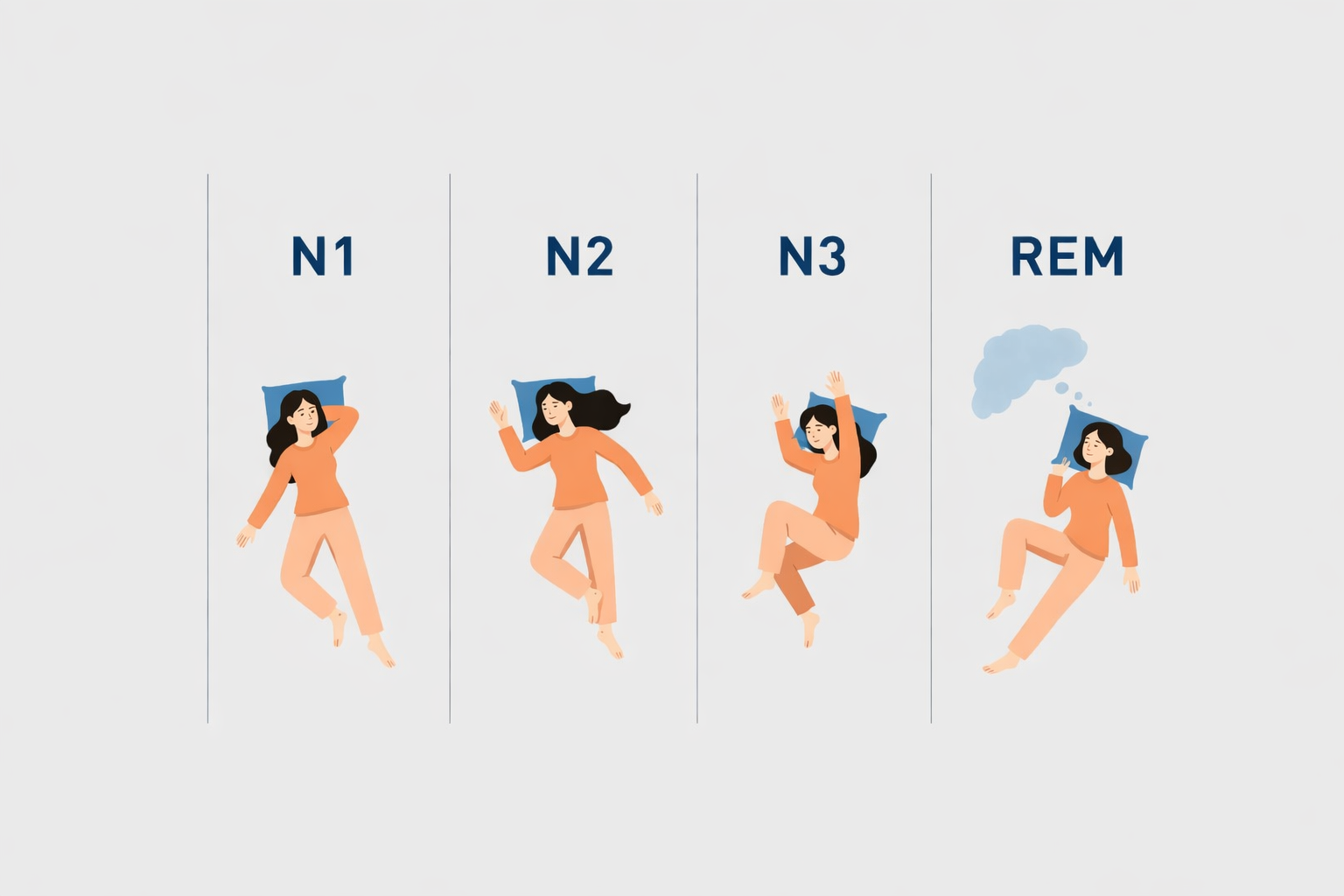
Tossing all night and waking up stiff? You’re not alone. If you want better sleep, research suggests that reducing body turns during sleep may be key to improving sleep quality. Let’s break it down—starting with the sleep cycle. Understanding the Sleep Cycle.Do Fewer Body Turns Mean Better Sleep? Yes—studies suggest that fewer position changes during the night are associated with: • Better sleep efficiency • Fewer arousals • More stable N3 and REM sleep
Read More
© 2025–2026 Akeso Inc. All articles are written by the Smart Balance® team.
Disclaimer: Smart Balance® AI Mattress is not a medical device and is not intended to diagnose, treat, cure, or prevent any medical condition. Please consult your physician regarding any sleep or health concerns.
Other Articles
Less Body Turns, Better Sleep Quality?
Tossing all night and waking up stiff? You’re not alone. If you want better sleep, research suggests that reducing body turns during sleep may be key to improving sleep quality. Let’s break it down—starting with the sleep cycle. Understanding the Sleep Cycle.Do Fewer Body Turns Mean Better Sleep? Yes—studies suggest that fewer position changes during the night are associated with: • Better sleep efficiency • Fewer arousals • More stable N3 and REM sleep
August 2025

Sleep Quality for Better Mood and Less Stress
Toss. Turn. Sigh. If your mood dips or stress spikes, you’re not alone. The fastest fix most of us miss? Better sleep. When your sleep improves, your mood often follows. It’s not just a feeling—it’s what the science shows. Why sleep quality is a mood tool Long-term studies find that people with insomnia have a much higher risk of depression—meaning poor sleep isn’t only a symptom; it can be a driver. Flip the script, and improving sleep helps mood. Randomized trials of cognitive behavioral therapy for insomnia show meaningful reductions in depression and anxiety alongside better sleep. The big-picture data agrees: people who don’t sleep enough report way more mental distress. Better sleep usually means calmer days. What’s happening in the brain? Each sleep stage has a different job. • N3 (deep sleep) is the “physical reset.” Heart rate and breathing slow; the brain shows slow waves. Deep sleep supports restoration and helps the brain clear waste products and reset for next day control—foundations for emotional steadiness.1 • REM sleep is the “emotional editor.” Brain activity looks wake-like, muscles are paralyzed, and we often dream. Research links REM stability to emotion regulation; fragmented or unstable REM is associated with anxiety and depression. Keeping REM less interrupted helps the brain process feelings without re-triggering stress. 2 • N2 sleep (the largest slice of the night) produces sleep spindles—brief bursts that protect sleep and help consolidate memories and cognitive control, both of which buffer mood.3 When nights are peppered with arousals—you’re awake after you’ve fallen asleep (WASO)—N3 and REM get chopped up. You end up feeling wired but tired, irritable, and less able to cope. Fewer wake-ups mean you protect the sleep that stabilizes you.
August 2025

Sleep Better, Protect Your Spine: How Quality Rest Slows Disc Degeneration and Boosts Daily Life
Back pain, stiffness, and loss of mobility are common complaints—but did you know that spinal disc health starts much earlier in life? Scientific studies show that even young people in their teens and early 20s can show early signs of spinal disc degeneration, often long before symptoms appear.1 Early Signs of Disc Degeneration in Youth Intervertebral discs—the soft cushions between your spinal bones—help absorb shock and allow movement. A 2022 MRI study found that about 20.8% of lumbar discs in asymptomatic young adults (15–30 years old) showed signs of degeneration, even when the individuals had no back pain.1 This means degenerative changes can begin young, silently affecting spinal mechanics long before discomfort shows up. Protecting disc health early can help maintain mobility, reduce future back pain, and improve quality of life as we age. Why Sleep Matters for Spinal Disc Health While upright during the day, gravity compresses your spine and squeezes fluid out of the discs. When you lie down to sleep, discs can rehydrate and decompress, regaining fluid and cushioning ability. Researchers using advanced MRI mapping found that disc hydration varies diurnally—meaning discs absorb fluid during rest (especially overnight) and lose it again with daytime activity and loading.2 This cycle of compression and recovery is natural and healthy, but it relies on uninterrupted, high‑quality sleep. Regularly disrupting the sleep and decompression process may lead to cumulative stress on discs over time. Another classic MRI study showed that people are naturally taller in the morning due to spinal decompression overnight and gradually lose a small amount of height during the day as discs decompress under load.3
August 2025

Sleep Better, Weigh Smarter: How Quality Rest Supports Weight Control
Think diet and exercise are the only keys to managing weight? Think again. NIH-backed research now shows that poor sleep is directly linked to weight gain and even obesity. Sleeping less than 7 hours is linked to a higher BMI and greater obesity risk across all ages. In fact, people who consistently sleep less tend to gain more weight over time. 1 But how does sleep affect your weight? When you’re sleep-deprived: - Hunger hormones shift: Ghrelin (hunger) goes up; leptin (fullness) goes down. - Cravings spike: You’re more likely to reach for high-calorie, sugary foods. - Metabolism slows: Your body becomes worse at burning fat and regulating blood sugar. In one NIH-supported study, people who extended their sleep to 8.5 hours per night consumed an average of 270 fewer calories daily—without changing their diet or activity levels.2 Quality sleep also supports better blood sugar regulation, energy balance, and fat loss during weight reduction programs. 3
August 2025

Tossing and Turning? How Fewer Body Turns Can Transform Your Sleep—and Your Health
Tossing and turning all night does more than ruin your sleep—it can impact your health. But there’s a good news: recent NIH-indexed studies suggest that fewer body turns during sleep are linked to better sleep quality and real health benefits. Why does it matter? Because every time your body shifts, it can disrupt deep (N3) and REM sleep, which are critical for physical recovery, emotional stability, and brain function. Less movement means more time in restorative sleep. Here’s how sleeping stiller can help you: 1. Sharper Focus and Better Memory REM and N2 sleep help your brain store memories and process emotions. Frequent turning can disrupt this, weakening focus and learning. Better sleep patterns improve attention, memory, and cognition.1 2. Less Pain and Faster Recovery Less movement at night means fewer aches in the morning. Deep sleep is when your body repairs muscles and tissues. Reducing sleep disruptions can improve recovery and lower pain interference. 2 3. Better Mood and Lower Stress Sleep is your brain’s emotional reset button. The longer your REM sleep, the better your mood. A large-scale meta-analysis found that improved sleep leads to meaningful reductions in depression, anxiety, and stress—and the more your sleep improves, the better your mental health tends to get. 3 4. More Daytime Energy
August 2025

A Healthy Heart Starts with a Good Night’s Sleep
You know that sleep helps you feel rested—but did you know it also helps protect your heart? According to NIH-supported studies, poor sleep is linked to a higher risk of heart disease, high blood pressure, stroke, and even heart rhythm disorders. It’s not just about how many hours you sleep, but how well you sleep. When your sleep is broken by tossing, turning, or frequent wake-ups, it can: - Increase stress hormones - Spike inflammation - Keep your blood pressure elevated overnight - Over time, this can strain your cardiovascular system. One major study found that people with low sleep quality or less than 6 hours of sleep per night had significantly higher rates of heart problems, even after adjusting for other risk factors like diet and activity levels.1 In contrast, high-quality sleep—especially with fewer disruptions and more time in deep and REM stages—helps the body: • Lower blood pressure • Reduce inflammation • Regulate heartbeat • Support better blood sugar and cholesterol control
August 2025

Breathe Easy: How Quality Sleep Supports Your Lungs
We know sleep helps us feel refreshed, but did you know it's also essential for healthy lungs and breathing? According to research published in NIH-indexed journals, poor sleep quality is linked to reduced respiratory health, even in people without lung disease. In a major U.S. health survey (NHANES), researchers found that people who slept too little or too much had worse lung function, including reduced Forced Expiratory Volume₁ and Forced Vital Capacity—key markers of how well your lungs move air. In short, sleep impacts how efficiently you breathe.1 For people with chronic respiratory conditions like COPD (chronic obstructive pulmonary disease), the effect is even stronger. Studies show that individuals with poor sleep patterns have more symptom flare-ups, slower recovery, and a higher risk of hospitalization.2 Sleep quality also affects breathing stability. During fragmented or shallow sleep, your body can experience irregular breathing or low oxygen levels, especially in people with underlying issues like sleep apnea. Over time, this puts stress on both your respiratory and cardiovascular systems. Sleep Better, Breathe Better The good news? Improving your sleep quality helps support healthy breathing—especially when you reduce nighttime disruptions, lower body turns, and improve your sleeping posture. Smart Balance® AI Mattress is designed to support optimal spinal alignment, reduce sleep disturbances, and create ideal conditions for deeper, healthier sleep—including improved nighttime breathing. Better sleep is more than rest—it’s a breath of fresh air for your lungs. Sleep smarter. Breathe easier.
August 2025

We Bring New Technology to Life.

PRODUCT
SCIENCE
Science of Restorative Sleep

©️ 2025-2026 Akeso Inc. All rights reserved.


Article
All
Sleep Science
Less Body Turns, Better Sleep Quality?
Tossing all night and waking up stiff? You’re not alone. If you want better sleep, research suggests that reducing body turns during sleep may be key to improving sleep quality. Let’s break it down—starting with the sleep cycle. Understanding the Sleep Cycle.Do Fewer Body Turns Mean Better Sleep? Yes—studies suggest that fewer position changes during the night are associated with: • Better sleep efficiency • Fewer arousals • More stable N3 and REM sleep
Read More
© 2025–2026 Akeso Inc. All articles are written by the Smart Balance® team.
Disclaimer: Smart Balance® AI Mattress is not a medical device and is not intended to diagnose, treat, cure, or prevent any medical condition. Please consult your physician regarding any sleep or health concerns.
Other Articles
Less Body Turns, Better Sleep Quality?
Tossing all night and waking up stiff? You’re not alone. If you want better sleep, research suggests that reducing body turns during sleep may be key to improving sleep quality. Let’s break it down—starting with the sleep cycle. Understanding the Sleep Cycle.Do Fewer Body Turns Mean Better Sleep? Yes—studies suggest that fewer position changes during the night are associated with: • Better sleep efficiency • Fewer arousals • More stable N3 and REM sleep
August 2025
Sleep Quality for Better Mood and Less Stress
Toss. Turn. Sigh. If your mood dips or stress spikes, you’re not alone. The fastest fix most of us miss? Better sleep. When your sleep improves, your mood often follows. It’s not just a feeling—it’s what the science shows. Why sleep quality is a mood tool Long-term studies find that people with insomnia have a much higher risk of depression—meaning poor sleep isn’t only a symptom; it can be a driver. Flip the script, and improving sleep helps mood. Randomized trials of cognitive behavioral therapy for insomnia show meaningful reductions in depression and anxiety alongside better sleep. The big-picture data agrees: people who don’t sleep enough report way more mental distress. Better sleep usually means calmer days. What’s happening in the brain? Each sleep stage has a different job. • N3 (deep sleep) is the “physical reset.” Heart rate and breathing slow; the brain shows slow waves. Deep sleep supports restoration and helps the brain clear waste products and reset for next day control—foundations for emotional steadiness.1 • REM sleep is the “emotional editor.” Brain activity looks wake-like, muscles are paralyzed, and we often dream. Research links REM stability to emotion regulation; fragmented or unstable REM is associated with anxiety and depression. Keeping REM less interrupted helps the brain process feelings without re-triggering stress. 2 • N2 sleep (the largest slice of the night) produces sleep spindles—brief bursts that protect sleep and help consolidate memories and cognitive control, both of which buffer mood.3 When nights are peppered with arousals—you’re awake after you’ve fallen asleep (WASO)—N3 and REM get chopped up. You end up feeling wired but tired, irritable, and less able to cope. Fewer wake-ups mean you protect the sleep that stabilizes you.
August 2025
Sleep Better, Protect Your Spine: How Quality Rest Slows Disc Degeneration and Boosts Daily Life
Back pain, stiffness, and loss of mobility are common complaints—but did you know that spinal disc health starts much earlier in life? Scientific studies show that even young people in their teens and early 20s can show early signs of spinal disc degeneration, often long before symptoms appear.1 Early Signs of Disc Degeneration in Youth Intervertebral discs—the soft cushions between your spinal bones—help absorb shock and allow movement. A 2022 MRI study found that about 20.8% of lumbar discs in asymptomatic young adults (15–30 years old) showed signs of degeneration, even when the individuals had no back pain.1 This means degenerative changes can begin young, silently affecting spinal mechanics long before discomfort shows up. Protecting disc health early can help maintain mobility, reduce future back pain, and improve quality of life as we age. Why Sleep Matters for Spinal Disc Health While upright during the day, gravity compresses your spine and squeezes fluid out of the discs. When you lie down to sleep, discs can rehydrate and decompress, regaining fluid and cushioning ability. Researchers using advanced MRI mapping found that disc hydration varies diurnally—meaning discs absorb fluid during rest (especially overnight) and lose it again with daytime activity and loading.2 This cycle of compression and recovery is natural and healthy, but it relies on uninterrupted, high‑quality sleep. Regularly disrupting the sleep and decompression process may lead to cumulative stress on discs over time. Another classic MRI study showed that people are naturally taller in the morning due to spinal decompression overnight and gradually lose a small amount of height during the day as discs decompress under load.3
August 2025
Sleep Better, Weigh Smarter: How Quality Rest Supports Weight Control
Think diet and exercise are the only keys to managing weight? Think again. NIH-backed research now shows that poor sleep is directly linked to weight gain and even obesity. Sleeping less than 7 hours is linked to a higher BMI and greater obesity risk across all ages. In fact, people who consistently sleep less tend to gain more weight over time. 1 But how does sleep affect your weight? When you’re sleep-deprived: - Hunger hormones shift: Ghrelin (hunger) goes up; leptin (fullness) goes down. - Cravings spike: You’re more likely to reach for high-calorie, sugary foods. - Metabolism slows: Your body becomes worse at burning fat and regulating blood sugar. In one NIH-supported study, people who extended their sleep to 8.5 hours per night consumed an average of 270 fewer calories daily—without changing their diet or activity levels.2 Quality sleep also supports better blood sugar regulation, energy balance, and fat loss during weight reduction programs. 3
August 2025
Tossing and Turning? How Fewer Body Turns Can Transform Your Sleep—and Your Health
Tossing and turning all night does more than ruin your sleep—it can impact your health. But there’s a good news: recent NIH-indexed studies suggest that fewer body turns during sleep are linked to better sleep quality and real health benefits. Why does it matter? Because every time your body shifts, it can disrupt deep (N3) and REM sleep, which are critical for physical recovery, emotional stability, and brain function. Less movement means more time in restorative sleep. Here’s how sleeping stiller can help you: 1. Sharper Focus and Better Memory REM and N2 sleep help your brain store memories and process emotions. Frequent turning can disrupt this, weakening focus and learning. Better sleep patterns improve attention, memory, and cognition.1 2. Less Pain and Faster Recovery Less movement at night means fewer aches in the morning. Deep sleep is when your body repairs muscles and tissues. Reducing sleep disruptions can improve recovery and lower pain interference. 2 3. Better Mood and Lower Stress Sleep is your brain’s emotional reset button. The longer your REM sleep, the better your mood. A large-scale meta-analysis found that improved sleep leads to meaningful reductions in depression, anxiety, and stress—and the more your sleep improves, the better your mental health tends to get. 3 4. More Daytime Energy
August 2025
A Healthy Heart Starts with a Good Night’s Sleep
You know that sleep helps you feel rested—but did you know it also helps protect your heart? According to NIH-supported studies, poor sleep is linked to a higher risk of heart disease, high blood pressure, stroke, and even heart rhythm disorders. It’s not just about how many hours you sleep, but how well you sleep. When your sleep is broken by tossing, turning, or frequent wake-ups, it can: - Increase stress hormones - Spike inflammation - Keep your blood pressure elevated overnight - Over time, this can strain your cardiovascular system. One major study found that people with low sleep quality or less than 6 hours of sleep per night had significantly higher rates of heart problems, even after adjusting for other risk factors like diet and activity levels.1 In contrast, high-quality sleep—especially with fewer disruptions and more time in deep and REM stages—helps the body: • Lower blood pressure • Reduce inflammation • Regulate heartbeat • Support better blood sugar and cholesterol control
August 2025
Breathe Easy: How Quality Sleep Supports Your Lungs
We know sleep helps us feel refreshed, but did you know it's also essential for healthy lungs and breathing? According to research published in NIH-indexed journals, poor sleep quality is linked to reduced respiratory health, even in people without lung disease. In a major U.S. health survey (NHANES), researchers found that people who slept too little or too much had worse lung function, including reduced Forced Expiratory Volume₁ and Forced Vital Capacity—key markers of how well your lungs move air. In short, sleep impacts how efficiently you breathe.1 For people with chronic respiratory conditions like COPD (chronic obstructive pulmonary disease), the effect is even stronger. Studies show that individuals with poor sleep patterns have more symptom flare-ups, slower recovery, and a higher risk of hospitalization.2 Sleep quality also affects breathing stability. During fragmented or shallow sleep, your body can experience irregular breathing or low oxygen levels, especially in people with underlying issues like sleep apnea. Over time, this puts stress on both your respiratory and cardiovascular systems. Sleep Better, Breathe Better The good news? Improving your sleep quality helps support healthy breathing—especially when you reduce nighttime disruptions, lower body turns, and improve your sleeping posture. Smart Balance® AI Mattress is designed to support optimal spinal alignment, reduce sleep disturbances, and create ideal conditions for deeper, healthier sleep—including improved nighttime breathing. Better sleep is more than rest—it’s a breath of fresh air for your lungs. Sleep smarter. Breathe easier.
August 2025


©️ 2025-2026 Akeso Inc. All rights reserved.

Article
All
Sleep Science
Less Body Turns, Better Sleep Quality?
Tossing all night and waking up stiff? You’re not alone. If you want better sleep, research suggests that reducing body turns during sleep may be key to improving sleep quality. Let’s break it down—starting with the sleep cycle. Understanding the Sleep Cycle.Do Fewer Body Turns Mean Better Sleep? Yes—studies suggest that fewer position changes during the night are associated with: • Better sleep efficiency • Fewer arousals • More stable N3 and REM sleep
Read More
© 2025–2026 Akeso Inc. All articles are written by the Smart Balance® team.
Disclaimer: Smart Balance® AI Mattress is not a medical device and is not intended to diagnose, treat, cure, or prevent any medical condition. Please consult your physician regarding any sleep or health concerns.
Other Articles
Less Body Turns, Better Sleep Quality?
Tossing all night and waking up stiff? You’re not alone. If you want better sleep, research suggests that reducing body turns during sleep may be key to improving sleep quality. Let’s break it down—starting with the sleep cycle. Understanding the Sleep Cycle.Do Fewer Body Turns Mean Better Sleep? Yes—studies suggest that fewer position changes during the night are associated with: • Better sleep efficiency • Fewer arousals • More stable N3 and REM sleep
August 2025
Sleep Quality for Better Mood and Less Stress
Toss. Turn. Sigh. If your mood dips or stress spikes, you’re not alone. The fastest fix most of us miss? Better sleep. When your sleep improves, your mood often follows. It’s not just a feeling—it’s what the science shows. Why sleep quality is a mood tool Long-term studies find that people with insomnia have a much higher risk of depression—meaning poor sleep isn’t only a symptom; it can be a driver. Flip the script, and improving sleep helps mood. Randomized trials of cognitive behavioral therapy for insomnia show meaningful reductions in depression and anxiety alongside better sleep. The big-picture data agrees: people who don’t sleep enough report way more mental distress. Better sleep usually means calmer days. What’s happening in the brain? Each sleep stage has a different job. • N3 (deep sleep) is the “physical reset.” Heart rate and breathing slow; the brain shows slow waves. Deep sleep supports restoration and helps the brain clear waste products and reset for next day control—foundations for emotional steadiness.1 • REM sleep is the “emotional editor.” Brain activity looks wake-like, muscles are paralyzed, and we often dream. Research links REM stability to emotion regulation; fragmented or unstable REM is associated with anxiety and depression. Keeping REM less interrupted helps the brain process feelings without re-triggering stress. 2 • N2 sleep (the largest slice of the night) produces sleep spindles—brief bursts that protect sleep and help consolidate memories and cognitive control, both of which buffer mood.3 When nights are peppered with arousals—you’re awake after you’ve fallen asleep (WASO)—N3 and REM get chopped up. You end up feeling wired but tired, irritable, and less able to cope. Fewer wake-ups mean you protect the sleep that stabilizes you.
August 2025
Sleep Better, Protect Your Spine: How Quality Rest Slows Disc Degeneration and Boosts Daily Life
Back pain, stiffness, and loss of mobility are common complaints—but did you know that spinal disc health starts much earlier in life? Scientific studies show that even young people in their teens and early 20s can show early signs of spinal disc degeneration, often long before symptoms appear.1 Early Signs of Disc Degeneration in Youth Intervertebral discs—the soft cushions between your spinal bones—help absorb shock and allow movement. A 2022 MRI study found that about 20.8% of lumbar discs in asymptomatic young adults (15–30 years old) showed signs of degeneration, even when the individuals had no back pain.1 This means degenerative changes can begin young, silently affecting spinal mechanics long before discomfort shows up. Protecting disc health early can help maintain mobility, reduce future back pain, and improve quality of life as we age. Why Sleep Matters for Spinal Disc Health While upright during the day, gravity compresses your spine and squeezes fluid out of the discs. When you lie down to sleep, discs can rehydrate and decompress, regaining fluid and cushioning ability. Researchers using advanced MRI mapping found that disc hydration varies diurnally—meaning discs absorb fluid during rest (especially overnight) and lose it again with daytime activity and loading.2 This cycle of compression and recovery is natural and healthy, but it relies on uninterrupted, high‑quality sleep. Regularly disrupting the sleep and decompression process may lead to cumulative stress on discs over time. Another classic MRI study showed that people are naturally taller in the morning due to spinal decompression overnight and gradually lose a small amount of height during the day as discs decompress under load.3
August 2025
Sleep Better, Weigh Smarter: How Quality Rest Supports Weight Control
Think diet and exercise are the only keys to managing weight? Think again. NIH-backed research now shows that poor sleep is directly linked to weight gain and even obesity. Sleeping less than 7 hours is linked to a higher BMI and greater obesity risk across all ages. In fact, people who consistently sleep less tend to gain more weight over time. 1 But how does sleep affect your weight? When you’re sleep-deprived: - Hunger hormones shift: Ghrelin (hunger) goes up; leptin (fullness) goes down. - Cravings spike: You’re more likely to reach for high-calorie, sugary foods. - Metabolism slows: Your body becomes worse at burning fat and regulating blood sugar. In one NIH-supported study, people who extended their sleep to 8.5 hours per night consumed an average of 270 fewer calories daily—without changing their diet or activity levels.2 Quality sleep also supports better blood sugar regulation, energy balance, and fat loss during weight reduction programs. 3
August 2025
Tossing and Turning? How Fewer Body Turns Can Transform Your Sleep—and Your Health
Tossing and turning all night does more than ruin your sleep—it can impact your health. But there’s a good news: recent NIH-indexed studies suggest that fewer body turns during sleep are linked to better sleep quality and real health benefits. Why does it matter? Because every time your body shifts, it can disrupt deep (N3) and REM sleep, which are critical for physical recovery, emotional stability, and brain function. Less movement means more time in restorative sleep. Here’s how sleeping stiller can help you: 1. Sharper Focus and Better Memory REM and N2 sleep help your brain store memories and process emotions. Frequent turning can disrupt this, weakening focus and learning. Better sleep patterns improve attention, memory, and cognition.1 2. Less Pain and Faster Recovery Less movement at night means fewer aches in the morning. Deep sleep is when your body repairs muscles and tissues. Reducing sleep disruptions can improve recovery and lower pain interference. 2 3. Better Mood and Lower Stress Sleep is your brain’s emotional reset button. The longer your REM sleep, the better your mood. A large-scale meta-analysis found that improved sleep leads to meaningful reductions in depression, anxiety, and stress—and the more your sleep improves, the better your mental health tends to get. 3 4. More Daytime Energy
August 2025
A Healthy Heart Starts with a Good Night’s Sleep
You know that sleep helps you feel rested—but did you know it also helps protect your heart? According to NIH-supported studies, poor sleep is linked to a higher risk of heart disease, high blood pressure, stroke, and even heart rhythm disorders. It’s not just about how many hours you sleep, but how well you sleep. When your sleep is broken by tossing, turning, or frequent wake-ups, it can: - Increase stress hormones - Spike inflammation - Keep your blood pressure elevated overnight - Over time, this can strain your cardiovascular system. One major study found that people with low sleep quality or less than 6 hours of sleep per night had significantly higher rates of heart problems, even after adjusting for other risk factors like diet and activity levels.1 In contrast, high-quality sleep—especially with fewer disruptions and more time in deep and REM stages—helps the body: • Lower blood pressure • Reduce inflammation • Regulate heartbeat • Support better blood sugar and cholesterol control
August 2025
Breathe Easy: How Quality Sleep Supports Your Lungs
We know sleep helps us feel refreshed, but did you know it's also essential for healthy lungs and breathing? According to research published in NIH-indexed journals, poor sleep quality is linked to reduced respiratory health, even in people without lung disease. In a major U.S. health survey (NHANES), researchers found that people who slept too little or too much had worse lung function, including reduced Forced Expiratory Volume₁ and Forced Vital Capacity—key markers of how well your lungs move air. In short, sleep impacts how efficiently you breathe.1 For people with chronic respiratory conditions like COPD (chronic obstructive pulmonary disease), the effect is even stronger. Studies show that individuals with poor sleep patterns have more symptom flare-ups, slower recovery, and a higher risk of hospitalization.2 Sleep quality also affects breathing stability. During fragmented or shallow sleep, your body can experience irregular breathing or low oxygen levels, especially in people with underlying issues like sleep apnea. Over time, this puts stress on both your respiratory and cardiovascular systems. Sleep Better, Breathe Better The good news? Improving your sleep quality helps support healthy breathing—especially when you reduce nighttime disruptions, lower body turns, and improve your sleeping posture. Smart Balance® AI Mattress is designed to support optimal spinal alignment, reduce sleep disturbances, and create ideal conditions for deeper, healthier sleep—including improved nighttime breathing. Better sleep is more than rest—it’s a breath of fresh air for your lungs. Sleep smarter. Breathe easier.
August 2025
PRODUCT
SCIENCE
Science of Restorative Sleep

We Bring New Technology to Life.


©️ 2025-2026 Akeso Inc. All rights reserved.